The LMusA Diploma Journey – Update #2 – An Example of A Day’s Practice

Last weekend we were treated to a fantastic four day long weekend with the Easter break – yes!

This meant plenty of available practice time and plenty of unadulterated, non-tired-from-10-hours-at-work type practice too! It also meant I could get stuck into two practice sessions in the one day a couple of times too. I find this a particularly effective way of practicing as it means your concentration remains focussed across a shorter time period (you’re not trying to concentrate for 3 or 4 hours straight), which tends to mean the practice is of higher quality. It also means that it gives the brain a chance to rest, digest and assimilate the new information coming in. A bit like an athlete, I understand that it’s when you’re at rest that changes occur, when your muscles  and neural pathways repair, rebuild, adapt and grow (so long as you’ve put in the right kind of high quality training prior to taking that rest).Classical Guitar
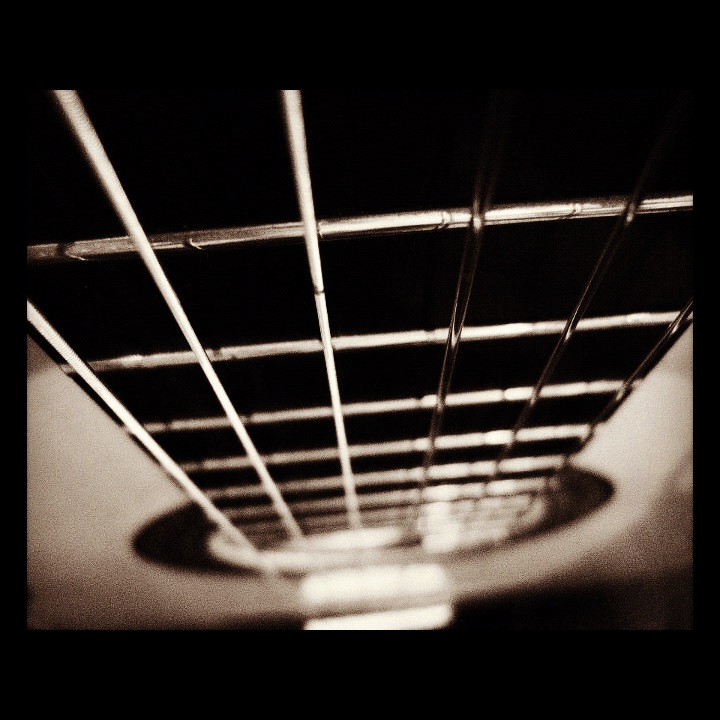
Last Friday was such an example of a double header practice day. A great 1.5 hour session in the morning concentrating on reading through and getting under the fingers for the first time the second section of La Maja de Goya. This didn’t involve just reading from the start of that section through to the end though. I initially focussed on the first 10 bars of that section, understanding the musical shapes, direction and the mechanics of the music – where the right hand needed to be (which strings and initial thoughts on tone colour) and where the left hand needed to be too, examining fingering choices – and scribbling notes furiously into the score. I then did this with the following 18 bars of the section, really focussed in on deliberate, slow movements, concentrating on accurate placement of left and right hand fingers to start building the muscle memory in the way I intend from the get go. Going back to fix up a bad habit that you’ve played over and over or a niggling little knot that you’ve ignored can be a real pain in the backside, so I think it’s worth taking the time at the start of a piece. Even if you’re playing it ridiculously slowly it will pay dividends as you become more familiar and comfortable with the piece.

And then in the afternoon, coming back to the guitar for another hour or so, I honed straight in on the most tricky elements of the material I had been working on in the morning, before then working on stitching that together to the first section that I’d been working on in the week prior. That probably took me around 45 minutes all up (not that time is really of significance, I believe – these things take as long as they need to). I then spent some time on the second section of the Fuga from J.S. Bach’s Lute Suite BWV 997 (a favourite of mine to play and a constant on my music stand in recent months), pulling out specific bars and phrases and treating them as left hand accuracy exercises (Bach’s great for that!).

And continuing on with the Bach theme I then did around 5 minutes sight reading with the Fuga from BWV 998 (the first 28 bars to be precise). This piece is on the repertoire list for the LMusA diploma, so was keen to start exploring it and definitely keen to get working on it as a possible part of the program  for the exam.

So, yes, two practice sessions in a day, where I can fit it in, I find really helpful and my progress shoots along, even if the practice periods themselves are on the shorter side. The upshot of a total of five days of practice in a similar manner to this across the last week (including a three day trip to outback Queensland!) means that I now have the entirety of La Maja de Goya underway, it starting to really come together, a great foundation to get stuck into the details of the material and sound like the semblances of a fantastic piece of music.

Headaches, Neck Tension and Guitar Playing

I’ve gone through a significant journey personally over the last two or three years in really examining why I was getting headaches, neck, shoulder and back pains – and boy, did I suffer with these things! I was doing a fateful combination of sitting and typing at a computer several hours a day, riding a bicycle, driving a car and of course practicing and playing my guitar for long periods and pretty intensely. All of that kind-of-hunched over, “forward” activity, along with what I would discover to be learned muscular habits, were all contributing to some extreme levels of tension in my back, shoulders, neck and head.

So began my journey of discovering what was going on with my body during playing (which then I could translate into other activities), getting a better understanding of my muscular habits, noticing them sooner and learning to let go of them (without judging them as “bad” or otherwise). Taking a series of Alexander Technique lessons really helped with that. ** As a consequence I’ve found that my approach to playing is a lot more relaxed generally, my sound has improved and the aches and pains have subsided.

What a pain in the neck

That was until I was struck by a massive headache earlier this week! It totally knocked me out. And this was in spite of having had a 60 minute Thai massage the previous weekend. This is something that I like to get from time to time, around every 6 weeks or so, to help me keep ache-free, stretched and “un-knotty” (I highly recommend it for guitarists – someone not only to crack your back, but also to massage your upper and lower arms, hands and fingers. It’s delicious!)

Well, it had probably been about twice my usual length of time between massages. More importantly though I think I’d forgotten, or at least lost touch with to a degree, what is going on with my muscular habits during practice and then letting my semi-supine practice slip over the last few months (see one of my previous posts on Alexander Technique below for more info on semi-supine position). That and allowing myself to get too tired – sleep is a wonderful thing for productive practice and a healthy approach to guitar playing.

Possibly not the sole factor (there rarely is just one straw that breaks the proverbial camel’s back), but certainly a key contributing factor when looking closely at what I’ve been up to is my tackling of a new piece (Granados’ La Maja de Goya) -which is not an easy piece by any stretch of the imagination – and undoubtedly putting expectations on myself for it to sound in such-and-such a way already (after only a couple of weeks of looking at the piece). Looking back there has certainly been tension in my upper body in making my initial forays into the piece (and probably holding myself back slightly because of it, I’ll admit!). I have to take my own advice in that these things take time and patience to learn!!

Anyway, after the blinding headache I knew I had to get back into my Alexander Technique (AT) semi-supine position. And lie down on the floor I did for a good 15-20 minutes, observing where I was  “holding on”, and all the twitches, flutters and quivers as I allowed my body to give up holding on to those things again. Pure bliss!

So, the past few days during my practice I have been acutely aware of how I’m sitting with the guitar, not sitting for too long and intensely concentrating on the brand new work in one position and reminding myself to let go. I’ve also been getting back into my favourite stretches (I told you I pay the price if I don’t do them) and of course, my semi-supine to practice “letting go” and enjoying the relaxing sensation.

Motto of the story to you, dear reader, is do you really know what your body is up to when you’re playing? As well, as listening to your sound try listening in to your body and the feedback it’s giving you whilst practicing and playing. Observe and really tune in (pardon the pun) to save yourself from a world of pain!


**If you’re new to the blog, or want to recap, check out some of these past posts:

Top Three Stretches for Guitarists

Stretches for Guitarists

Crouching Tiger, Hidden Guitarist

Giving Pain In The Neck The Cold Shoulder – Guitarist’s Shoulder

Alexander Technique – My First Lesson

Alexander Technique – My Progress So Far

Alexander The Great: My Continuing Journey with Alexander Technique

Alexander Technique and Guitar: Taking It To The Next Level