The LMusA Diploma Journey – Update #2 – An Example of A Day’s Practice

Last weekend we were treated to a fantastic four day long weekend with the Easter break – yes!

This meant plenty of available practice time and plenty of unadulterated, non-tired-from-10-hours-at-work type practice too! It also meant I could get stuck into two practice sessions in the one day a couple of times too. I find this a particularly effective way of practicing as it means your concentration remains focussed across a shorter time period (you’re not trying to concentrate for 3 or 4 hours straight), which tends to mean the practice is of higher quality. It also means that it gives the brain a chance to rest, digest and assimilate the new information coming in. A bit like an athlete, I understand that it’s when you’re at rest that changes occur, when your muscles  and neural pathways repair, rebuild, adapt and grow (so long as you’ve put in the right kind of high quality training prior to taking that rest).Classical Guitar
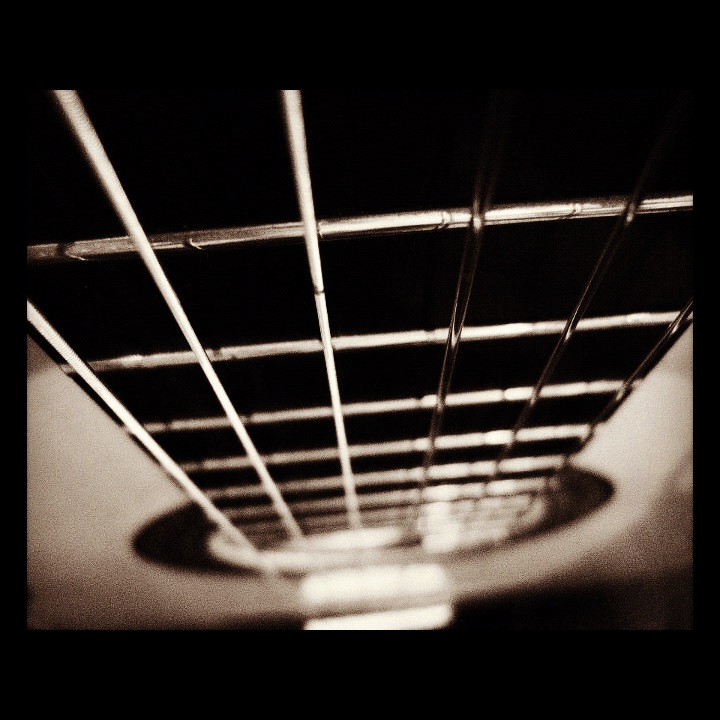
Last Friday was such an example of a double header practice day. A great 1.5 hour session in the morning concentrating on reading through and getting under the fingers for the first time the second section of La Maja de Goya. This didn’t involve just reading from the start of that section through to the end though. I initially focussed on the first 10 bars of that section, understanding the musical shapes, direction and the mechanics of the music – where the right hand needed to be (which strings and initial thoughts on tone colour) and where the left hand needed to be too, examining fingering choices – and scribbling notes furiously into the score. I then did this with the following 18 bars of the section, really focussed in on deliberate, slow movements, concentrating on accurate placement of left and right hand fingers to start building the muscle memory in the way I intend from the get go. Going back to fix up a bad habit that you’ve played over and over or a niggling little knot that you’ve ignored can be a real pain in the backside, so I think it’s worth taking the time at the start of a piece. Even if you’re playing it ridiculously slowly it will pay dividends as you become more familiar and comfortable with the piece.

And then in the afternoon, coming back to the guitar for another hour or so, I honed straight in on the most tricky elements of the material I had been working on in the morning, before then working on stitching that together to the first section that I’d been working on in the week prior. That probably took me around 45 minutes all up (not that time is really of significance, I believe – these things take as long as they need to). I then spent some time on the second section of the Fuga from J.S. Bach’s Lute Suite BWV 997 (a favourite of mine to play and a constant on my music stand in recent months), pulling out specific bars and phrases and treating them as left hand accuracy exercises (Bach’s great for that!).

And continuing on with the Bach theme I then did around 5 minutes sight reading with the Fuga from BWV 998 (the first 28 bars to be precise). This piece is on the repertoire list for the LMusA diploma, so was keen to start exploring it and definitely keen to get working on it as a possible part of the program  for the exam.

So, yes, two practice sessions in a day, where I can fit it in, I find really helpful and my progress shoots along, even if the practice periods themselves are on the shorter side. The upshot of a total of five days of practice in a similar manner to this across the last week (including a three day trip to outback Queensland!) means that I now have the entirety of La Maja de Goya underway, it starting to really come together, a great foundation to get stuck into the details of the material and sound like the semblances of a fantastic piece of music.

Work-life-Guitar Balance

We’ve all heard of work-life balance – finding that (perhaps mythical?!) equilibrium between making ones living and enjoying life (although that definition presupposes that we may not enjoy our work…), spending quality time with family and friends and so on.

Well, for those of us that are guitar nuts then we have to find not only balance between work and life, but also find time for good quality guitar practice and playing. Yes, this I call work-life-guitar balance!guitar_photo2.jpg
And believe you me I know all about this! For those of you less familiar with me and/or this blog it may come as a surprise that I have a day job outside of the wonders of the guitar world (strictly speaking you could say I have to find work-life-guitar-blog balance!). Yes as well as guitar-related activities, I have been studying, running my own business and most recently joining a large organisation.
I’ve been a busy bee as they say! So when I talk about this work-life-guitar balance and share with you my thoughts and advice on getting the most out of your practice it very much comes from first hand experience and having been there myself! I know EXACTLY what it feels like folks!! I’m right there with you!
My top five tips for work-life-guitar balance
So here are my top five tips for maintaining that work-life-guitar balance whilst really making progress and pushing forward with your development on the guitar.
1. Build the practice habit with a little bit and often – consistent, regular practice is key to making progress. Even if it’s 10 minutes every day or sat half an hour most days of the week. I can pretty much guarantee you’ll progress much faster that way than finding a two hour slot on a Sunday afternoon and practicing just one or maybe twice a week. You’ll be surprised where you can find 10 – 30 minutes each day in your schedule if you really want to.
2. Work out a schedule of practice – sometimes it can feel a bit overwhelming to know you should be practicing scales, technical exercises, studies and two, three or more pieces (especially if you’re gearing up for a grade exam). I recommend breaking things down over the week – understand what you need to spend time on the most but also schedule in some other time in the week for other things.  You’ll be surprised at what you can fit in across 5 or 6 days.
3. Practice critically but not judgmentally – to really make the most of your practice time with the guitar you really need to switch the brain cells to full work mode. Really think about what it is you’re doing, why, how, the sound you’re making, what might need tweaking and how you might go about that and so on and so forth. Ask yourself questions like “is this how I want this section or phrase to sound?” or “What do I need to do with my left or right hand here to make this transition smoother?” Ask yourself questions like this in a non-judgmental way though – don’t beat up on yourself for not being able to quite pull off that slur yet! That’s really not going to help!
4. Accept that life happens – sometimes you might have to work late, or the kids/ dog/ partner/ your folks are sick, or you might have to go away for work. Worry not! Relax and roll with it. The guitar will still be there when life gets back on a more even keel again and the rest from it may even have done you some good.
5. Enjoy it – we play this instrument because we love it so. Yes, there will be times when we might get frustrated with our practice or things are not happening as fast as we like, but overall we should be enjoying ourselves practicing and playing guitar. And don’t let it become a chore or a grind or something that’s getting in the way of life. Technical exercise after technical exercise makes Jack a dull guitarist – cut loose every now and then enjoy it!!